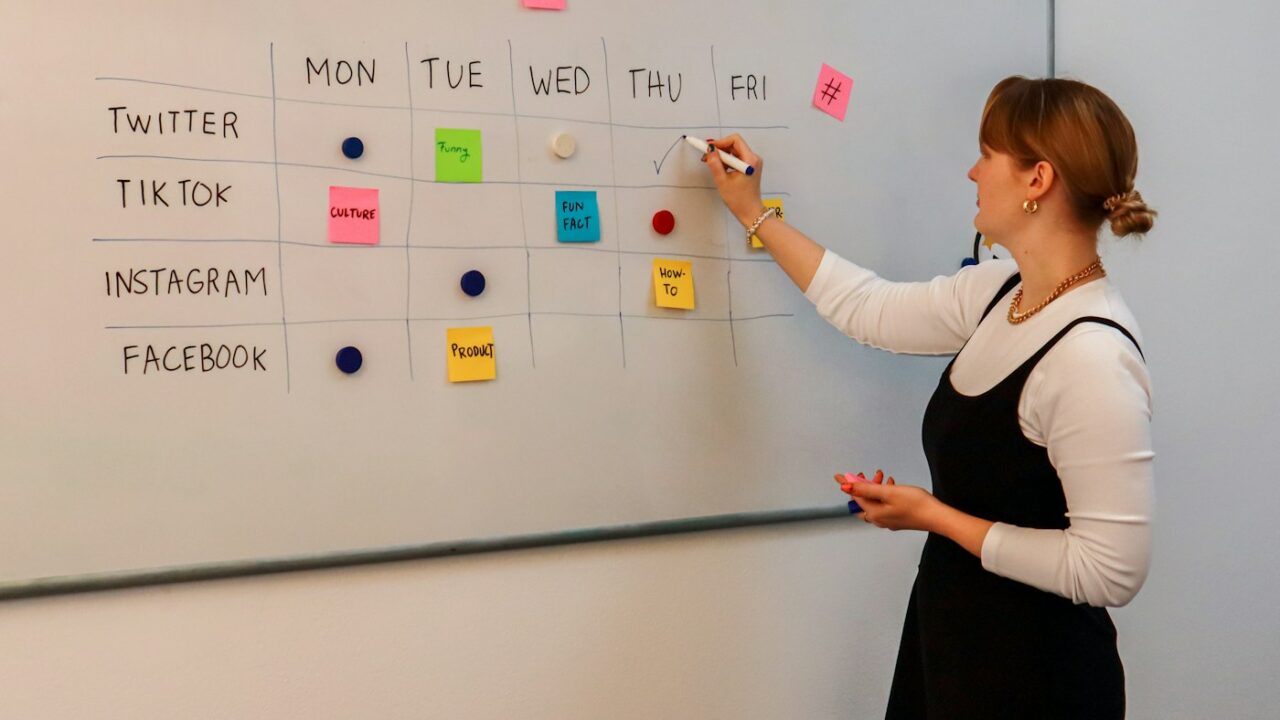
Organize useful articles around core reader questions rather than arbitrary keyword quotas.
Choose a core question
A content pillar represents an important area of reader interest, not merely a collection of keywords. Start with an overarching question your publication can answer from multiple angles, such as how to communicate a service clearly.
A pillar should be broad enough to support distinct articles, yet narrow enough that the reader understands why those articles belong together.
Create supporting pieces with distinct jobs
One article might explain the messaging framework. Another might show how it changes an About page. A third might cover headline editing. Each earns its place by resolving a separate reader question.
Resist creating near-duplicate posts only to target minor wording variations. Different titles do not guarantee different information needs.
Link for reader usefulness
Connect articles where the next piece adds context, a practical example, or a deeper explanation. Use anchors that describe the destination and avoid linking every article to every other page.
If no published article genuinely helps at that moment, leave the link out. Categories can aid navigation without being mandatory bridges between topics.
Maintain the cluster
Review your articles periodically for broken links, dated claims, duplicate explanations, and opportunities to consolidate. A clear archive is more useful than a homepage that exposes only the newest cards.
Document why you created each piece. That record makes later updates more deliberate and helps keep the publication focused.
Editorial note: This article is original material prepared for the independent publication and is not a recovered historical article.