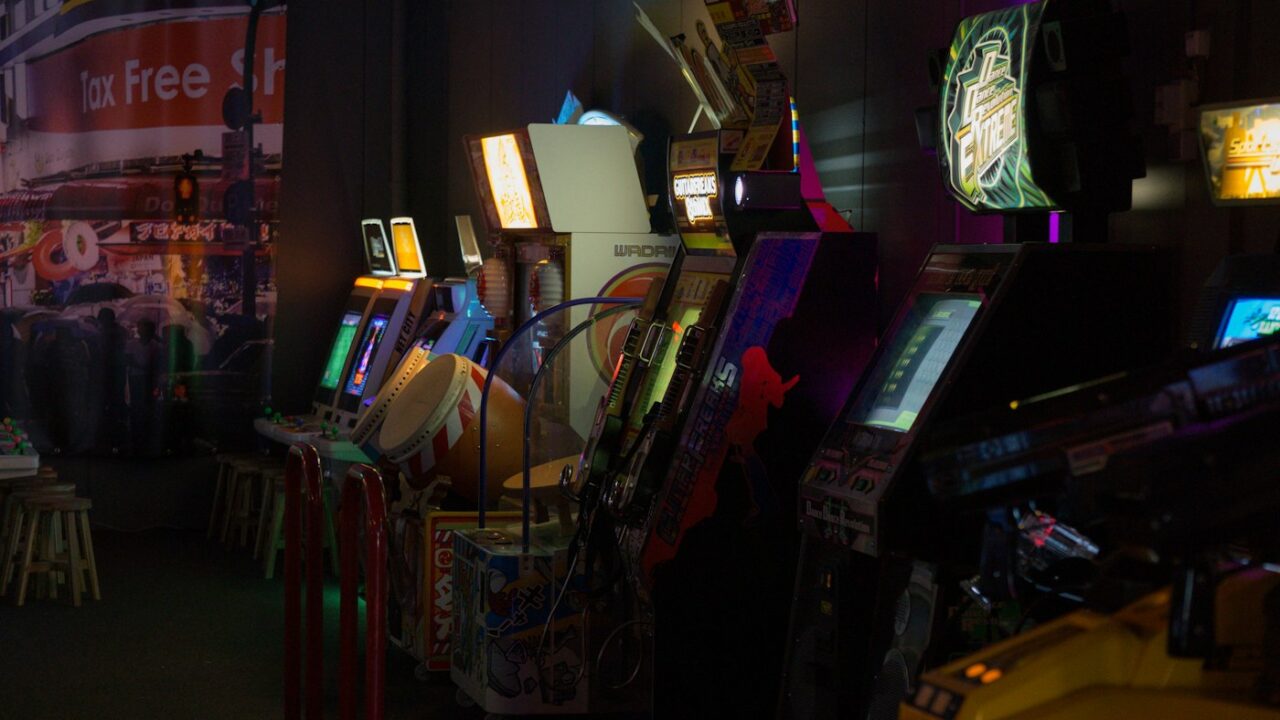
There is a long relationship between games and short bursts of attention. An arcade-style experience can make its purpose understandable almost immediately: move, match, react, avoid an obstacle, or aim for a score. Modern browser games often borrow this clarity even when their artwork, devices, and distribution are very different.
The appeal of a clearly defined round
Short games tend to make progress visible. The player can recognize when a round starts, what counts as a meaningful action, and when the session ends. That clarity makes the experience easy to revisit between other activities without requiring a full evening’s commitment. In that sense, browser-based gaming experiences bring familiar ideas about short rounds and instant feedback to screens people already use throughout the day.
This does not mean older arcade machines and today’s browsers are interchangeable. Arcade experiences were shaped by cabinets, physical controls, and public settings. The Strong National Museum of Play explores that earlier setting in its history of arcade video games in the 1970s. Browser games are shaped by varied screens, input methods, connection speeds, and the expectation that a user may move between tasks. Their shared design feature is often the use of straightforward, legible interactions.
What carries over—and what changes
Recognizable patterns survive across formats: grids, tiles, countdowns, high scores, and concise instruction screens. On a touch screen, however, a tiny target that worked with a physical controller may become frustrating. A modern interface must account for finger size, accessibility settings, portrait layouts, and interruptions.
The cultural context has also changed. Someone might encounter a small game through a browser tab, a message from a friend, a shared challenge, or an online community. Discovery now happens across many channels, and the same game may be played on a phone, laptop, or tablet.
Why nostalgia alone is not enough
Retro-inspired visuals can make a game feel immediately recognizable, but familiarity does not solve poor controls or unclear rules. A pixel-art style may evoke earlier eras, while the actual play still needs thoughtful navigation, good performance, and readable text.
Games that revisit familiar concepts benefit from asking what was enjoyable about the interaction, not just what the old screen looked like. Was it the clean objective? The rhythm of repeated attempts? The chance to compare results with friends? Those underlying qualities can be reinterpreted without pretending the modern version is an exact recreation.
Designing for a quick, respectful session
Quick play should include an equally quick way to stop. Clear pause controls, understandable results, and nonintrusive prompts respect a person’s time. When optional transactions are involved, the cost should remain separate from ordinary gameplay and visible before confirmation.
The continuing appeal of arcade-style ideas suggests that simple goals and responsive interactions still matter. The medium evolves, but a good quick game remains understandable at the beginning, responsive during play, and clear at the end.
Editorial note: This is an original overview of game design and digital culture. It does not claim to reproduce a historical article.